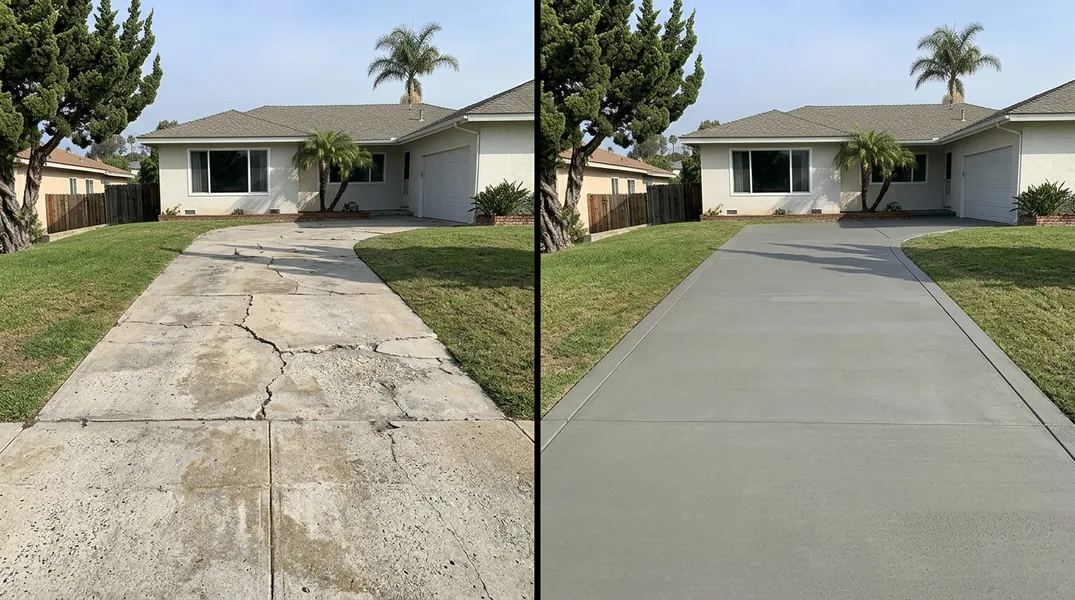
Understanding Oceanside's Unique Climate for Concrete Pouring
When planning a Concrete Driveways project in Oceanside, understanding the local climate is essential. Unlike inland California regions, Oceanside sits right on the Pacific Coast, which creates weather patterns that directly impact concrete curing and durability. The marine layer, a persistent fog that rolls in from the ocean, significantly affects temperature and humidity levels throughout much of the year. This moisture-laden air can slow concrete curing times and create conditions that compromise the final strength of your installation.
Concrete curing requires specific temperature and humidity conditions to reach optimal strength. When the marine layer is thick and persistent, the concrete stays cooler and the air remains saturated with moisture. While this might seem beneficial, excessive moisture actually prevents proper hydration of the concrete mix, leading to weaker results. Additionally, the coastal salt air can accelerate corrosion of reinforcing steel within the concrete if the surface isn't properly sealed. Understanding these local factors helps homeowners and contractors choose the ideal window for pouring concrete in your area.
Spring (March to May): The Prime Concrete Pouring Season
Spring represents the best time to pour concrete in Oceanside. During March through May, temperatures typically range from the mid-60s to mid-70s Fahrenheit, which falls squarely within the ideal range for concrete curing. The marine layer begins to weaken during these months, and you'll experience more consistent sunshine and lower humidity levels compared to winter. These conditions allow concrete to cure at a predictable rate, giving contractors and homeowners confidence that their projects will achieve proper strength and longevity.
Beyond temperature, spring offers another advantage: reduced rainfall. Oceanside receives most of its annual precipitation between November and March, so by April and May, the risk of rain interrupting your concrete pour is minimal. This is crucial because fresh concrete exposed to heavy rain can suffer surface damage and weakened curing. Spring also means you can schedule your Concrete Patios or driveway installation without worrying about winter delays or summer heat complications. If you're planning a project, spring is when you should contact Oceanside Concrete for a free estimate.
Summer Heat and Santa Ana Winds: Challenges to Consider
Summer in Oceanside presents mixed conditions for concrete pouring. While late spring transitions smoothly into early summer with continued favorable weather, mid-summer (July and August) brings intense heat that can actually cause problems. High temperatures accelerate the curing process too quickly, which can lead to surface cracking and reduced long-term strength. When concrete dries too fast, the outer layers harden before the interior fully cures, creating internal stress and potential failure points. Professional contractors may need to apply extra measures like misting and covering to slow the curing process during peak summer heat.
More concerning than summer heat are the Santa Ana winds that occasionally sweep through Southern California, typically in late summer and early fall. These powerful, dry winds can dramatically increase evaporation rates in fresh concrete, causing rapid surface drying that leads to cracking and poor curing. The Santa Ana winds can gust at 40 miles per hour or higher, creating extremely challenging conditions for concrete pouring. If you're considering a summer project, it's critical to work with experienced contractors who understand how to manage these wind conditions. Call Oceanside Concrete at (760) 496-5421 to discuss whether your summer timeline is feasible for your specific project.
Fall and Winter: The Marine Layer Returns
As fall arrives (September through November), Oceanside experiences a transition period. Early fall can still work for concrete projects, though temperatures begin to cool and the marine layer strengthens again. By mid-fall, the weather becomes increasingly unpredictable, and rainfall increases as winter approaches. This makes fall a less reliable season for concrete work compared to spring. The combination of cooler temperatures, increased humidity from the strengthening marine layer, and the threat of rain creates conditions where concrete cures slowly and inconsistently.
Winter (December through February) is generally the least favorable time for pouring concrete in coastal Oceanside. Temperatures drop into the 50s and 60s, which slows curing dramatically. More importantly, this is Oceanside's rainy season, with frequent storms and high humidity from the marine layer. Concrete exposed to rain during initial curing can suffer serious damage, and the slow curing process leaves projects vulnerable to weather interruption. If you must pour concrete in winter, contractors need to implement protective measures like tent coverings and heating, which increases project costs significantly. For most homeowners, waiting until spring is the more economical and practical choice.
Preparing Your Concrete Project: Planning and Professional Guidance
Once you've identified spring as your ideal pouring window, the next step is proper planning and preparation. Whether you're installing Concrete Driveways, Concrete Patios, or Stamped & Decorative Concrete, timing your project correctly ensures the best results. Work with an experienced local contractor who understands Oceanside's specific climate challenges, including the marine layer's impact and coastal salt air considerations. A professional contractor can assess your site conditions, recommend the optimal pour date within your preferred season, and implement proper curing techniques suited to local weather patterns.
Before committing to a timeline, discuss your project details with Oceanside Concrete. We understand the nuances of pouring concrete in coastal Southern California and can guide you toward the best decision for your specific situation. Whether you're concerned about pricing, timeline, or technical specifications, our team is ready to help. Contact us at (760) 496-5421 or visit our website to request a free estimate and discuss your project's ideal pouring season.
Key Takeaways: When to Pour Concrete in California's Coastal Region
The best time to pour concrete in Oceanside is spring (March through May), when temperatures are moderate, the marine layer weakens, and rainfall is minimal. These conditions create the ideal environment for concrete curing, resulting in stronger, more durable installations. Avoid mid-summer due to heat-related cracking risks, and steer clear of winter when the marine layer returns with heavy rain and slow curing conditions. Late summer and early fall present challenges from Santa Ana winds, which accelerate surface drying and cause cracking.
Understanding Oceanside's unique climate is the foundation of a successful concrete project. By scheduling your work during the optimal season and partnering with a contractor experienced in coastal conditions, you'll ensure your concrete reaches full strength and lasts for decades. Don't leave your project timing to chance. Reach out to Oceanside Concrete today at (760) 496-5421 to schedule your consultation and discover how we can help you choose the perfect time to pour concrete for your home.
Looking for a professional concrete contractor in Oceanside? Oceanside Concrete responds fast for all your concrete needs.
Get a Free QuoteOur services: Concrete Driveways · Concrete Patios · Stamped & Decorative Concrete