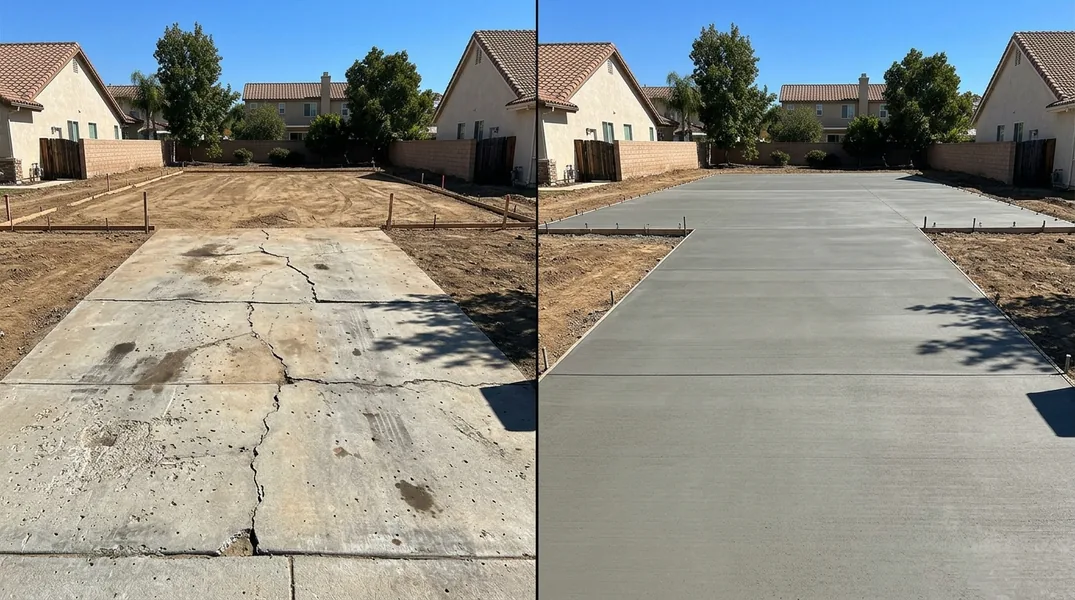
Understanding New Construction Concrete Slabs in Oceanside
Purchasing a new home in Oceanside is an exciting milestone, but it comes with important responsibilities. One critical element that many first-time homebuyers overlook is the concrete foundation slab. This foundation literally supports everything above it, making a thorough inspection essential before you sign closing documents. Whether your new build sits on a traditional concrete slab or a modern post-tensioned system, understanding what you're looking at can save you thousands in future repairs.
The concrete slab is more than just a surface to build on. It serves as the primary structural support for your home, protects you from soil moisture, and provides the base for flooring systems throughout your residence. In Oceanside's coastal climate, with its unique soil conditions and occasional moisture challenges, the quality and integrity of your slab are particularly important. A well-installed slab can last decades without issues, while a poorly constructed one may develop cracks, settling problems, or moisture intrusion within just a few years.
What is a Post-Tensioned Slab and Why Builders Use Them
Many new construction homes in Southern California, including those in Oceanside, utilize post-tensioned slabs rather than traditional concrete slabs. Understanding this technology helps you evaluate what you're purchasing. A post-tensioned slab is a reinforced concrete foundation where steel cables are placed within the concrete and then tensioned (tightened) after the concrete has cured. This creates internal compression that makes the slab stronger and more resistant to cracking caused by soil movement, temperature changes, and structural loads.
Builders favor post-tensioned slabs because they offer several advantages over conventional slabs. They reduce cracking, handle soil settlement better, and allow for thinner concrete sections without sacrificing strength. This means lower material costs for builders and potentially fewer foundation issues for homeowners. However, post-tensioned slabs are more complex to install and require specialized engineering and equipment. The tensioning process must be executed precisely, and any mistakes during installation can compromise the slab's integrity. When inspecting a new home with a post-tensioned slab, you'll want to verify that the work was performed by licensed professionals and that proper documentation exists.
Critical Items to Inspect Before Closing on Your New Home
Your pre-closing inspection should include a systematic evaluation of the concrete slab. Start by looking for cracks, which are the most visible sign of potential problems. Small hairline cracks (less than one-eighth inch wide) are generally normal in concrete as it cures and settles, but wider cracks or patterns of cracks warrant concern. Pay special attention to cracks that follow a diagonal pattern, radiate from corners, or appear in clusters. These patterns often indicate structural movement or improper installation rather than normal settling. Walk the entire perimeter and interior of the home, checking both the visible slab areas and any exposed foundation walls.
Beyond cracks, look for signs of moisture intrusion such as efflorescence (white, powdery deposits on the concrete surface), damp spots, or water staining. Check for uneven surfaces or areas where the slab appears to have settled, particularly near door frames or transitions between rooms. Uneven slabs can cause doors to stick, flooring to crack, or long-term structural issues. Also inspect for spalling (flaking or chipping of the concrete surface), which may indicate poor concrete quality or exposure to freeze-thaw cycles. If the home has a basement or crawl space, examine those areas carefully as well. Ask the builder or your inspector about the slab's thickness, reinforcement type, and whether it's post-tensioned or conventionally reinforced.
Common Slab Problems in New Construction Homes
Even in new construction, concrete slab problems can occur due to design flaws, installation errors, or material defects. One of the most common issues is inadequate drainage around the foundation. If water pools near the slab or if drainage was not properly installed during construction, moisture can accumulate beneath the slab, leading to mold growth, wood rot in floor systems, and structural damage. Expansive soil, common in parts of Southern California, can cause the slab to heave (lift unevenly) if not properly engineered for local soil conditions. This can result in cracks, sticking doors, and visible gaps between walls and ceilings.
Another frequent problem involves improper concrete curing or material quality. If concrete was poured in extreme heat, cold, or rain, or if the wrong mix design was used for local conditions, the slab may not achieve proper strength. Poor workmanship during finishing can also create weak areas or uneven surfaces. Additionally, if rebar or post-tensioning cables were improperly placed or if the tensioning was done incorrectly, the slab may not provide adequate support. Some builders cut corners by using thinner slabs than recommended or by skipping proper gravel base preparation. These shortcuts may not cause immediate problems but can lead to premature failure. Having a qualified inspector evaluate the slab before closing protects your investment and gives you leverage to demand repairs if issues are found.
What to Do If You Discover Slab Issues Before Closing
If your pre-closing inspection reveals slab problems, don't panic. You have several options depending on the severity of the issues. Minor cosmetic cracks or small areas of efflorescence may not require action, especially if a structural engineer determines they're not a concern. However, significant cracks, evidence of settling, or moisture problems should be addressed by the builder before you close. Document everything with photographs and detailed notes, and have a professional structural engineer or foundation specialist inspect the slab if the builder's inspector has missed or minimized obvious problems.
When presenting concerns to the builder, provide your inspection report and any professional assessments. Most builders are required to warranty the foundation for a specified period (typically 10 years in California), so they have incentive to fix problems before closing rather than deal with warranty claims later. You can request that the builder repair the slab, provide a credit toward repairs, or in extreme cases, walk away from the purchase. Never close on a home with unresolved foundation issues. If you need expert guidance on concrete foundation concerns or want to understand how professional Concrete Repair & Resurfacing might address future issues, the team at Oceanside Concrete can provide valuable insights. Contact them at (760) 496-5421 to discuss your specific situation or get a free estimate for any post-closing repairs.
After Closing: Maintaining Your Home's Concrete Foundation
Your responsibility for the concrete slab doesn't end at closing. Proper maintenance extends the life of your foundation and helps prevent future problems. Keep gutters and downspouts clean and directed away from the foundation to manage water drainage. Grade the soil around your home so water slopes away from the slab. Avoid planting large trees too close to the foundation, as their roots can affect soil stability and cause heaving. In Oceanside's coastal environment, pay particular attention to moisture management, especially in basements or crawl spaces.
Monitor your slab over time for new cracks or signs of movement. Small cracks can be sealed with epoxy or polyurethane injections to prevent water intrusion. If you notice significant new cracks, settling, or moisture problems after closing, contact a foundation specialist immediately. Many issues are easier and less expensive to address early. If you need professional assessment or repairs to concrete surfaces around your home, including Concrete Driveways or Concrete Patios, Oceanside Concrete has the expertise to help. Call (760) 496-5421 to discuss your needs or request a free estimate for any concrete work on your property.
Looking for a professional concrete contractor in Oceanside? Oceanside Concrete responds fast for all your concrete needs.
Get a Free QuoteOur services: Concrete Driveways · Concrete Patios · Stamped & Decorative Concrete